
Nail fungus is more common than most people think, and it often starts with subtle changes – discoloration, thick nails, or a brittle texture. If you’re looking for nail fungus treatment that actually works, the first step is understanding the cause and choosing the right approach early.
At Foot & Ankle Surgeons of Kansas, we help patients across Wichita get long-lasting relief from stubborn fungal infections.
What Causes Nail Fungus?
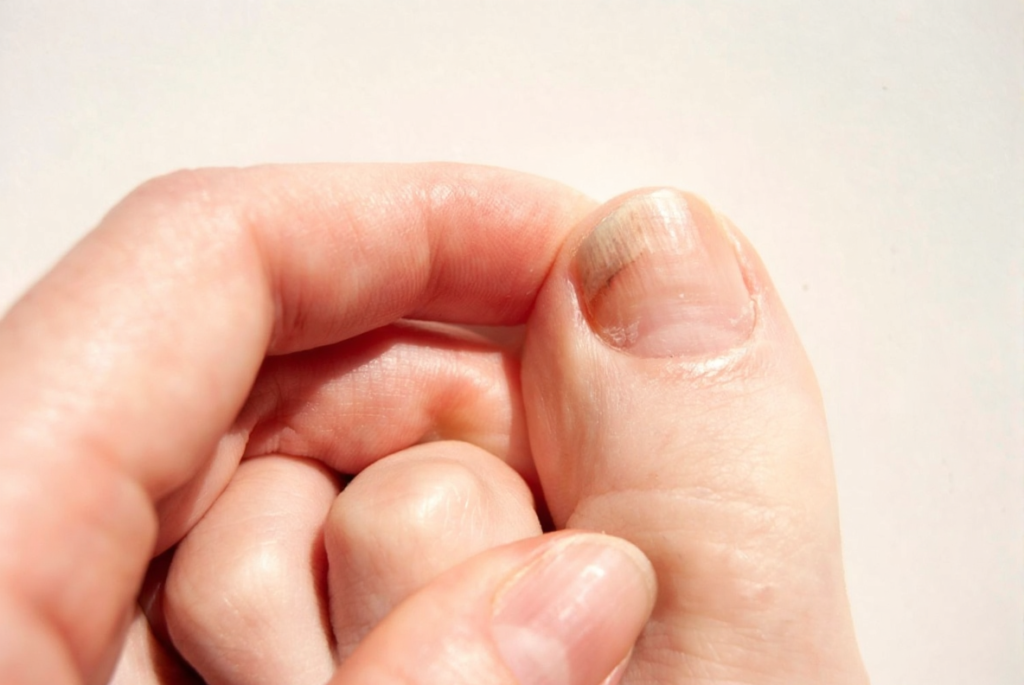
Nail fungus develops when fungus enters through small cracks in the nail or surrounding skin. Warm, moist environments – like shoes, gyms, and locker rooms – allow it to grow quickly.
If ignored, the infection can spread and become painful, making nail fungus treatment more challenging over time.
Common Symptoms You Should Never Ignore
Fungal nail infections don’t go away on their own. Watch for:
- Thick, brittle, or crumbling nails
- Yellow, white, or brown discoloration
- Odor or buildup under the nail
- Nail lifting from the nail bed
If you’re searching for how to cure toenail fungus, recognizing symptoms early is essential.
Lorem ipsum dolor sit amet, consectetur adipiscing elit. Ut elit tellus, luctus nec ullamcorper mattis, pulvinar dapibus leo.
How Long Does Bunion Surgery Recovery Take?
Home Remedies: Do They Really Work?
Many people try home remedies first – like tea tree oil, vinegar soaks, or over-the-counter creams. These options may help with very mild cases, but they rarely cure deeper infections.
If your symptoms have been around for weeks or months, a medical nail fungus treatment offers better and faster results.
Medical Treatments That Actually Work
1. Prescription Antifungal Medications
Oral medication is one of the best treatments for fungus on nails, especially when the infection has reached the nail bed. These medicines work from the inside out to clear the fungus.
2. Topical Prescription Treatments
Stronger than store-bought creams, these are applied directly to the nail to stop fungal growth. They work well for mild to moderate infections.
3. Laser Nail Fungus Treatment
This modern option uses targeted light to destroy fungus without damaging healthy tissue. Many patients choose laser therapy because it’s painless, quick, and requires no downtime.
4. Nail Debridement
For thick, uncomfortable nails, our specialists can gently thin the nail to help treatments work better and reduce discomfort immediately.
If you’re still wondering how to cure toenail fungus, professional treatment is the most reliable path to clear, healthy nails.
Preventing Nail Fungus from Returning
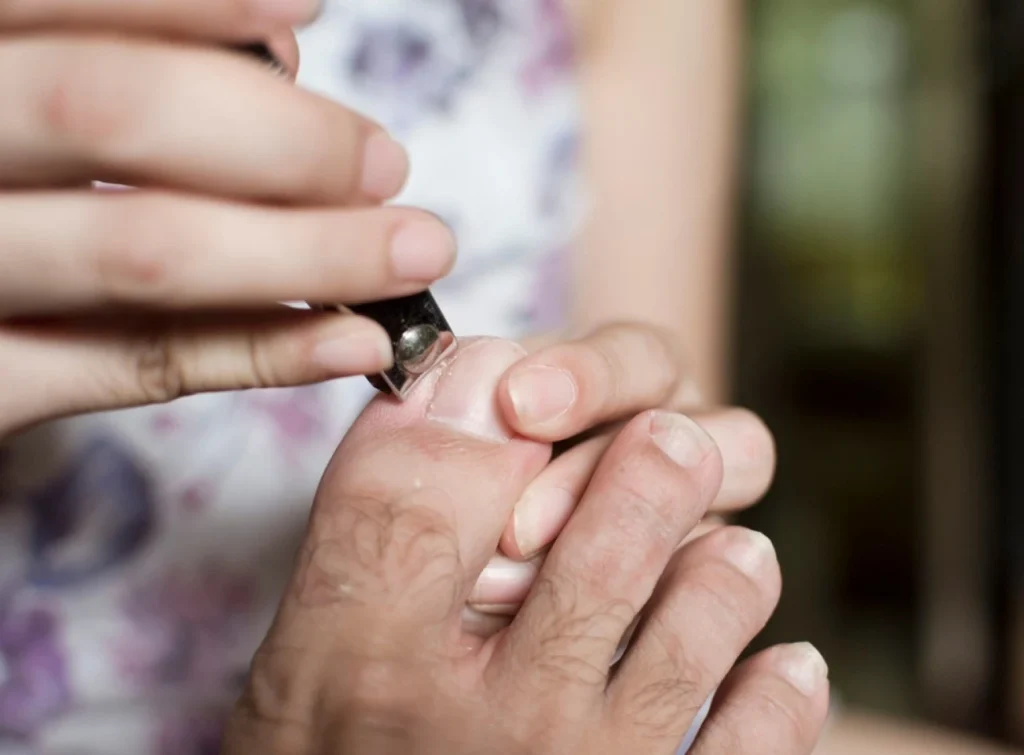
Even after clearing the infection, prevention is key. Here’s how to protect your nails:
- Keep your feet clean and dry
- Trim nails straight and avoid cutting too short
- Wear breathable shoes and moisture-wicking socks
- Avoid sharing nail clippers or footwear
- Disinfect shoes regularly
These habits help maintain the results of your nail fungus treatment and reduce the risk of reinfection.
When to See a Foot & Ankle Specialist
If your nail fungus persists, becomes painful, or spreads to other nails, it’s time for medical care. Patients with diabetes or circulation issues should never wait – fungal nail infections can lead to more serious complications. We offer personalized care to treat the infection and restore nail health.
For anyone searching for nail fungus treatment, this guide explains symptoms, causes, and the best treatments for fungus on nails, including medication, topical therapy, and laser treatment. Learn how to cure toenail fungus effectively and when to visit Foot & Ankle Surgeons of Kansas in Wichita for expert care.