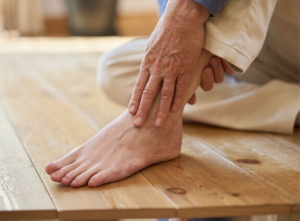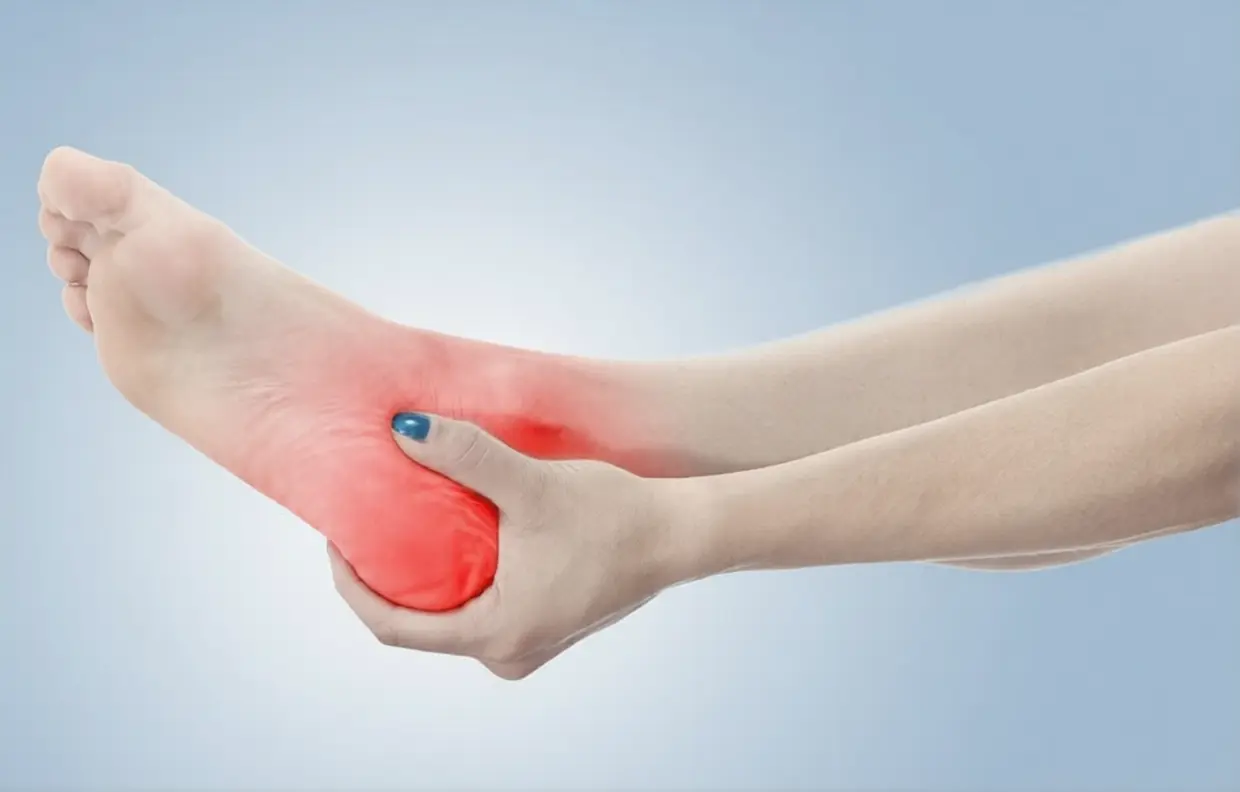
Heel pain does not always begin with the classic first-step pain in the morning. Many people assume plantar fasciitis only causes pain after waking up, but symptoms can appear differently depending on how irritated the tissue is.
In some cases, heel pain may feel worse after standing for long periods, walking on hard floors, or wearing unsupported footwear. This is why proper diagnosis matters before starting treatment.
Kansas Foot & Ankle Surgeons in Wichita helps patients understand the exact cause of foot discomfort through professional evaluation and personalised treatment plans.
Can Plantar Fasciitis Cause Heel Pain Without Morning Stiffness?
Yes, can plantar fasciitis cause heel pain even without morning stiffness-the answer is yes. While morning discomfort is common, not every patient experiences the same symptom pattern.
Some people notice heel pain only after long activity, exercise, or standing for several hours. Early-stage inflammation may not always create severe pain first thing in the morning.
Doctors often assess where the pain starts, how long it lasts, and what activities trigger it before confirming whether plantar fasciitis can cause heel pain.
Why Heel Pain Happens Even Later in the Day
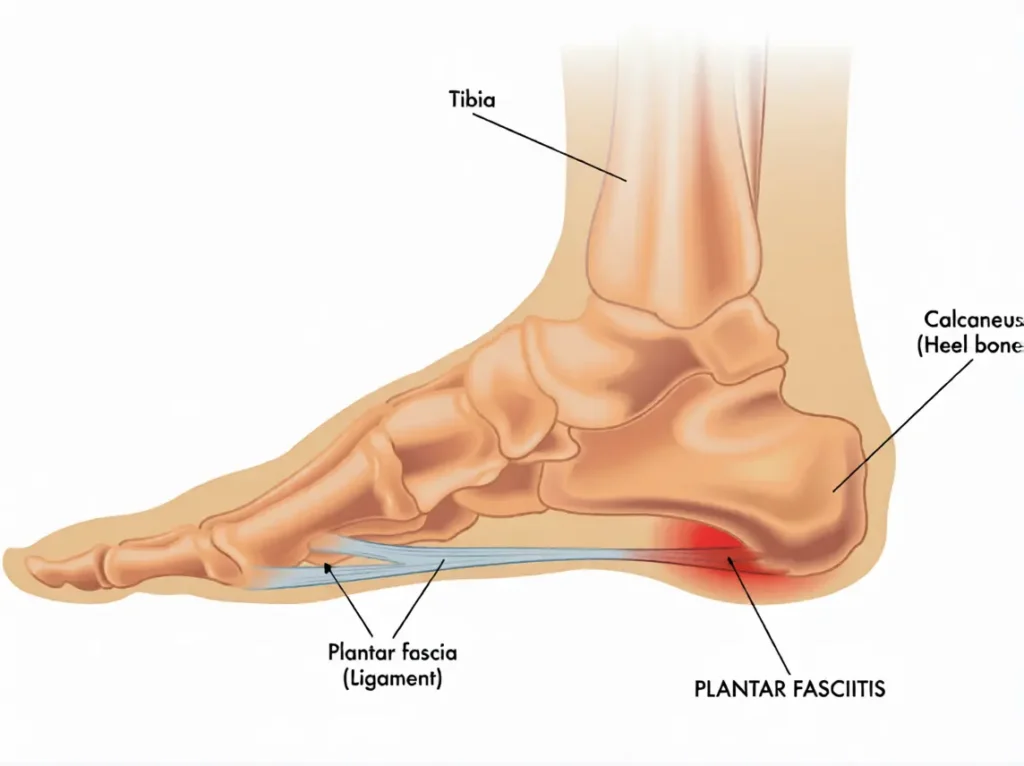
The plantar fascia supports your arch throughout the day. When that tissue becomes strained, heel pain may build gradually instead of appearing immediately after waking.
For some patients, pain starts after work, long walks, or exercise because the ligament becomes irritated under repeated pressure.
This is one reason why plantar fasciitis can cause heel pain without morning symptoms is a common question in foot clinics.
Other Conditions That Can Cause Heel Pain
Not every case of heel pain is plantar fasciitis. Several foot conditions can create similar discomfort and need different treatment.
Common causes include heel spurs, Achilles tendon irritation, nerve compression, stress fractures, and inflammation around the heel pad.
Because symptoms overlap, doctors often check whether plantar fasciitis can cause heel pain or if another condition is responsible.
Signs That Your Heel Pain May Still Be Plantar Fasciitis
Even without morning stiffness, some symptoms still strongly suggest plantar fasciitis. Pain often appears near the bottom of the heel and may worsen after activity.
Some people feel tenderness when pressing the inner heel or stretching the arch. Tight calves can also increase heel pain throughout the day.
These signs help specialists determine whether plantar fasciitis can cause heel pain in your case.
When Heel Pain Needs Medical Attention
If heel pain lasts for several weeks, starts affecting walking, or becomes sharper, professional assessment is important.
Ignoring symptoms can lead to altered walking patterns, which may create ankle, knee, or back discomfort later.
Kansas Foot & Ankle Surgeons in Wichita provides diagnosis and treatment options designed to reduce pain and improve mobility.
How Heel Pain Is Diagnosed
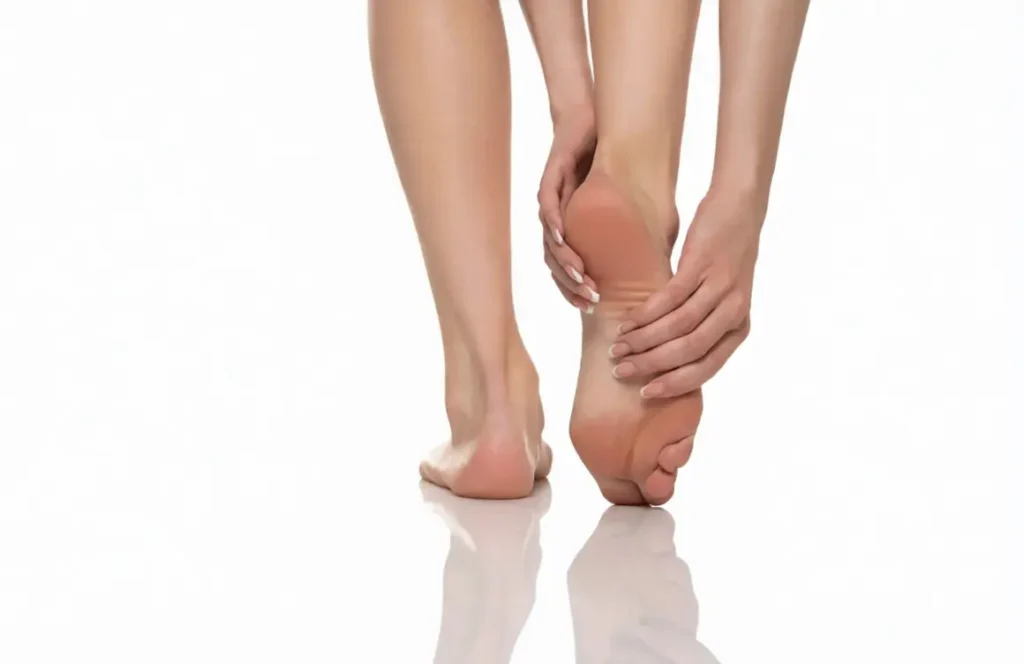
Doctors usually diagnose heel pain through physical examination, symptom history, and movement testing. They may press certain areas of the heel to identify the exact pain source.
If needed, imaging helps rule out fractures, arthritis, or nerve-related problems.
This helps confirm whether plantar fasciitis can cause heel pain or if another foot condition is involved.
Treatment Options for Heel Pain
Treatment depends on the cause, but many cases improve with stretching, supportive footwear, activity changes, and custom orthotics.
For plantar fascia irritation, doctors may recommend exercises that reduce strain under the foot.
Early treatment often prevents chronic heel pain and improves recovery speed.
FAQs About Heel Pain
Can plantar fasciitis cause heel pain all day?
Yes, can plantar fasciitis cause heel pain throughout the day, especially after long standing or walking.
Is heel pain always worse in the morning?
No, heel pain can also appear later depending on activity level and tissue irritation.
When should I see a doctor for heel pain?
If heel pain lasts more than two weeks or affects walking, medical evaluation is recommended.
Can footwear make heel pain worse?
Yes, flat or unsupportive shoes often increase pressure on the heel.
Heel pain without morning stiffness can still be plantar fasciitis, but it should not be assumed without proper evaluation.
Understanding symptom timing, pain location, and activity triggers helps identify the true cause and guide treatment correctly.