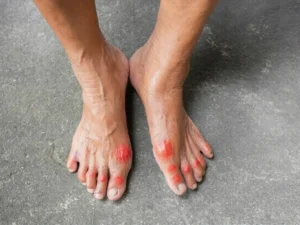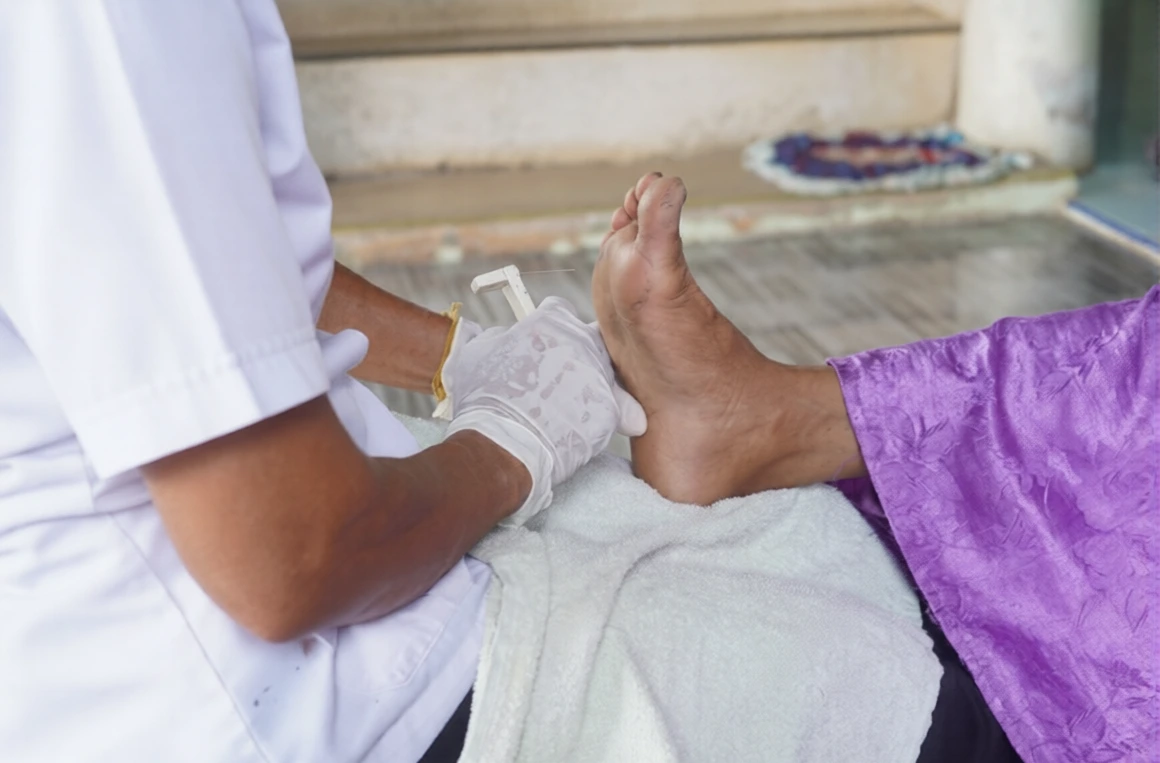
Diabetes affects blood flow and nerve function—especially in the feet. Even a small cut or blister can turn into a serious complication without proper treatment.
If you’re searching for a diabetic foot doctor near you in Wichita, it usually means you’re noticing symptoms that shouldn’t be ignored.
This guide explains when expert evaluation is necessary and how specialized diabetes care in Wichita can prevent long-term damage.
Why Diabetes Increases Foot Risk
High blood sugar can damage nerves (neuropathy) and reduce circulation.
When that happens:
- You may not feel cuts or blisters
- Wounds heal slowly
- Infection risk increases
- Ulcers can develop
- Amputation risk rises in severe cases
People with diabetes are more prone to foot complications because nerve damage reduces sensation and poor circulation delays healing.
When Should You See a Diabetic Foot Doctor?
You should see a diabetic podiatrist near you in Wichita if you experience:
- Numbness or burning sensations
- Cracks in the skin
- Foot swelling
- Toenail infections
- Corns or calluses
- Open sores
- Color changes in toes
Early treatment prevents ulcers and severe infections.
What Does a Diabetic Foot Doctor Do?
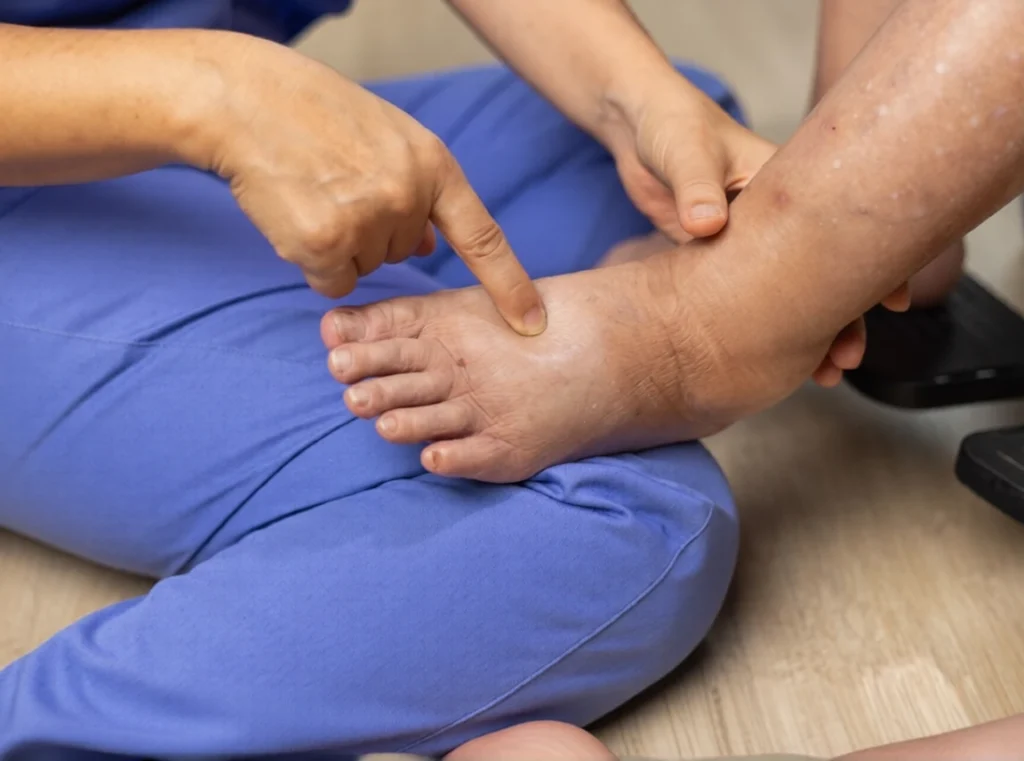
A diabetic foot specialist evaluates circulation, nerve function, and skin integrity.
They may perform:
- Neuropathy testing
- Circulation assessment
- Wound evaluation
- Infection management
- Pressure point analysis
They create a preventive care plan tailored to your risk level.
A diabetic foot doctor prevents serious complications by detecting nerve damage, treating wounds early, improving circulation, and managing pressure points before ulcers form.
Services Offered at Foot & Ankle Suregons of Kansas
Patients seeking diabetes care in Wichita can visit Foot & Ankle Surgeons of Kansas, which provides comprehensive foot and ankle services, including:
- Diabetic foot evaluations
- Ulcer treatment and wound care
- Custom orthotics
- Toenail and fungal treatment
- Ingrown toenail procedures
- Circulation assessments
- Foot and ankle surgery
- Sports injury care
Their team focuses on early detection and prevention to reduce hospitalization risk.
Warning Signs That Require Immediate Care

Seek urgent medical care if you notice:
- An open wound that does not improve in 48 hours
- Redness spreading around a sore
- Drainage or odor
- Black or blue discoloration
- Fever with foot pain
Delaying treatment can lead to severe infection.
How Often Should Diabetic Patients See a Foot Doctor?
Most patients with diabetes should have a comprehensive foot exam at least once a year.
Those with neuropathy, poor circulation, or previous ulcers may need visits every 3–6 months.
Regular monitoring significantly lowers amputation risk.
Preventive Tips for Diabetic Foot Health
While professional care is essential, daily habits matter:
- Inspect feet daily
- Keep feet clean and dry
- Moisturize (avoid between toes)
- Trim nails carefully
- Wear properly fitted shoes
- Avoid walking barefoot
However, home care does not replace medical evaluation.
Consistent monitoring combined with expert diabetes care in Wichita provides the strongest protection.
Why Early Diabetes Care Matters
Ignoring minor symptoms can lead to:
- Chronic ulcers
- Bone infections
- Hospitalization
- Surgical intervention
Early diagnosis and proper management reduce these risks significantly.
If you’re searching for a diabetic foot doctor near you in Wichita, it may be time for professional evaluation.
FAQs
If you have numbness, wounds, swelling, or recurring infections, you should see a specialist immediately.
Neuropathy is often permanent, but complications can be managed and slowed with proper treatment.
Yes. Annual exams help detect issues before symptoms become severe.
The doctor checks nerve sensation, circulation, skin condition, and pressure points.
Diabetic foot complications develop quietly – but they can progress quickly.
Seeing a diabetic foot doctor near you in Wichita ensures early detection, proper wound care, and long-term protection.