
Most people experience a “pins and needles” sensation from time to time—perhaps after sitting with crossed legs or wearing tight shoes. Usually, the feeling disappears within a few minutes. But when numbness keeps coming back or lasts for longer than expected, it’s worth paying attention.
Understanding the causes of foot numbness can help you determine whether it’s something temporary or a sign of an underlying medical condition that needs treatment. Numbness isn’t a condition itself-it’s a symptom that your nerves, circulation, or foot structures may not be functioning as they should.
At Foot & Ankle Surgeons of Kansas, we help patients identify the source of persistent numbness and create treatment plans that restore comfort, mobility, and confidence.
What Does Foot Numbness Feel Like?
Foot numbness doesn’t always mean you lose all feeling in your foot.
Many people describe symptoms such as:
- Reduced sensation
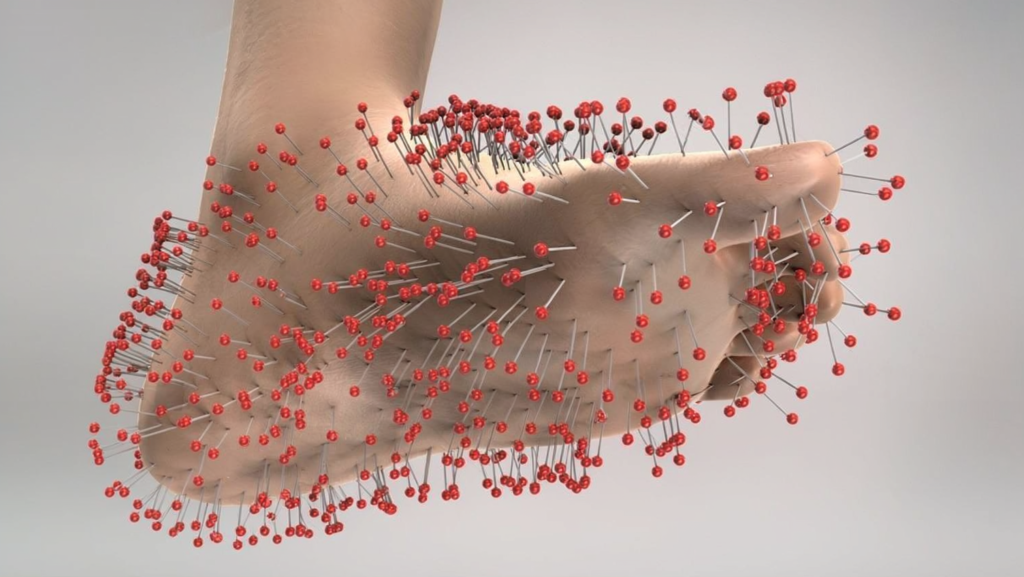
- A “pins and needles” feeling
- Burning
- Tingling
- Weakness
- Difficulty feeling the ground while walking
Some patients experience only tingling in feet, while others notice numbness that gradually spreads through the toes or sole.
Common Causes of Foot Numbness
There are several possible causes of foot numbness, ranging from temporary nerve compression to long-term medical conditions.
The most common include:
- Nerve compression
- Diabetes
- Poor circulation
- Foot injuries
- Vitamin deficiencies
- Back problems affecting nerves
- Certain medications
- Chronic inflammation
Because there are many possible foot numbness causes, proper diagnosis is essential before treatment begins.
1. Nerve Compression
One of the most common causes of foot numbness occurs when a nerve becomes compressed.
Pressure may develop from:
- Tight footwear
- Swelling
- Bone abnormalities
- Scar tissue
- Repetitive stress
When nerves become compressed, patients often experience tingling in feet along with intermittent numbness.
Early treatment can often prevent permanent nerve damage.
2. Peripheral Neuropathy
Peripheral neuropathy affects the nerves that carry signals between your brain and your feet.
Common foot neuropathy symptoms include:
- Burning sensations
- Tingling
- Numbness
- Sharp nerve pain
- Reduced balance
- Increased sensitivity
Diabetes is one of the leading causes of peripheral neuropathy, but other medical conditions may also contribute.
3. Diabetes and Nerve Damage
Many people don’t realize that diabetes can affect the nerves long before severe symptoms develop.
High blood sugar levels may gradually damage nerves in the feet, resulting in:
- Persistent numbness
- Reduced sensation
- Burning discomfort
- Difficulty detecting injuries
Recognising foot neuropathy symptoms early allows treatment to begin before complications develop.
4. Poor Circulation
Healthy nerves rely on healthy blood flow.
Reduced circulation may contribute to numbness, especially during activity or after long periods of sitting.
Symptoms sometimes include:
- Cold feet
- Slow-healing wounds
- Cramping
- Changes in skin colour
Circulation problems and nerve problems often produce similar symptoms, making professional evaluation important.
5. Nerve Pain in Feet
Many patients notice that numbness isn’t their only symptom.
Nerve pain in feet may feel like:
- Burning
- Electric shocks
- Sharp stabbing pain
- Tingling
- Increased sensitivity
Sometimes pain and numbness occur together because damaged nerves can send abnormal signals while also losing normal sensation.

Why Is the Tingling Worse at Night?
One common complaint is tingling in feet at night.
Although the exact reason varies, symptoms often become more noticeable when you’re resting because there are fewer distractions competing for your attention.
Night-time tingling may also become more noticeable due to:
- Reduced circulation while lying still
- Nerve irritation
- Existing neuropathy
- Inflammation
If tingling in feet at night becomes frequent or disrupts your sleep, it’s worth discussing with a foot specialist.
When Should You Be Concerned ?
Occasional numbness isn’t always serious.
However, you should seek professional evaluation if:
- Numbness lasts longer than a few minutes
- Symptoms keep returning
- Walking becomes difficult
- You develop weakness
- You notice burning or nerve pain in feet
- You have diabetes
- You can’t feel injuries on your feet
Persistent numbness should never be ignored because it may increase your risk of falls, wounds, and further nerve damage.
How Foot & Ankle Surgeons of Kansas Can Help
Finding the real cause is the first step toward effective treatment.
Our specialists perform a thorough evaluation that may include:
- Physical examination
- Nerve assessment
- Gait analysis
- Digital imaging if needed
- Review of your medical history
Depending on the diagnosis, treatment may include:
- Custom orthotics
- Footwear recommendations
- Physical therapy
- Activity modification
- Medical management
- Referral for additional testing when appropriate
Our goal is to treat the underlying cause-not simply mask the symptoms.
Frequently Asked Questions
The most common causes of foot numbness include nerve compression, diabetes, circulation problems, injuries, and peripheral neuropathy.
Not always. Temporary tingling in feet can result from sitting awkwardly or wearing tight shoes, but persistent symptoms should be evaluated.
Common foot neuropathy symptoms include numbness, burning, tingling, weakness, and reduced sensation.
Tingling in feet at night may become more noticeable because of nerve irritation, circulation changes, or underlying neuropathy.
Occasional numbness may not be a cause for concern, but persistent symptoms shouldn’t be ignored. Understanding the causes of foot numbness is the first step toward protecting your foot health and preventing more serious complications.
Whether you’re experiencing tingling in feet, ongoing nerve pain in feet, or worsening foot neuropathy symptoms, early diagnosis can make a significant difference in your treatment and recovery.
At Foot & Ankle Surgeons of Kansas, we’re committed to helping you find answers, relieve discomfort, and get back to living with confidence.