

If you’ve ever stepped out of bed and felt a sharp pain in your heel, you’re not alone. Plantar fasciitis is one of the most common causes of heel pain, affecting people of all ages. Whether you’re an active runner, spend long hours on your feet, or simply enjoy daily walks, this condition can make every step uncomfortable.
The good news is that plantar fasciitis pain relief is often possible with the right combination of self-care, lifestyle changes, and professional treatment when needed. Knowing what causes the condition and how to manage it early can help you recover faster and avoid long-term discomfort.
At Foot & Ankle Surgeons of Kansas, we help patients in Wichita find effective solutions for heel pain and return to their normal activities with confidence.
What Is Plantar Fasciitis?
The plantar fascia is a thick band of tissue that runs along the bottom of your foot, connecting your heel bone to your toes. It supports your arch and absorbs the stress created when you walk or run.
When this tissue becomes irritated or inflamed, it can lead to plantar fasciitis. The pain is usually strongest with the first few steps in the morning or after sitting for long periods.
Understanding plantar fasciitis causes is the first step toward finding the right treatment.
What Causes Plantar Fasciitis?
Several factors can increase your risk of developing this condition.
Common plantar fasciitis causes include:
- Standing for long periods
- Wearing unsupportive footwear
- Tight calf muscles
- High-impact exercise
- Flat feet or high arches
- Sudden increases in physical activity
- Excess body weight
Identifying the underlying cause helps guide the most effective treatment plan.
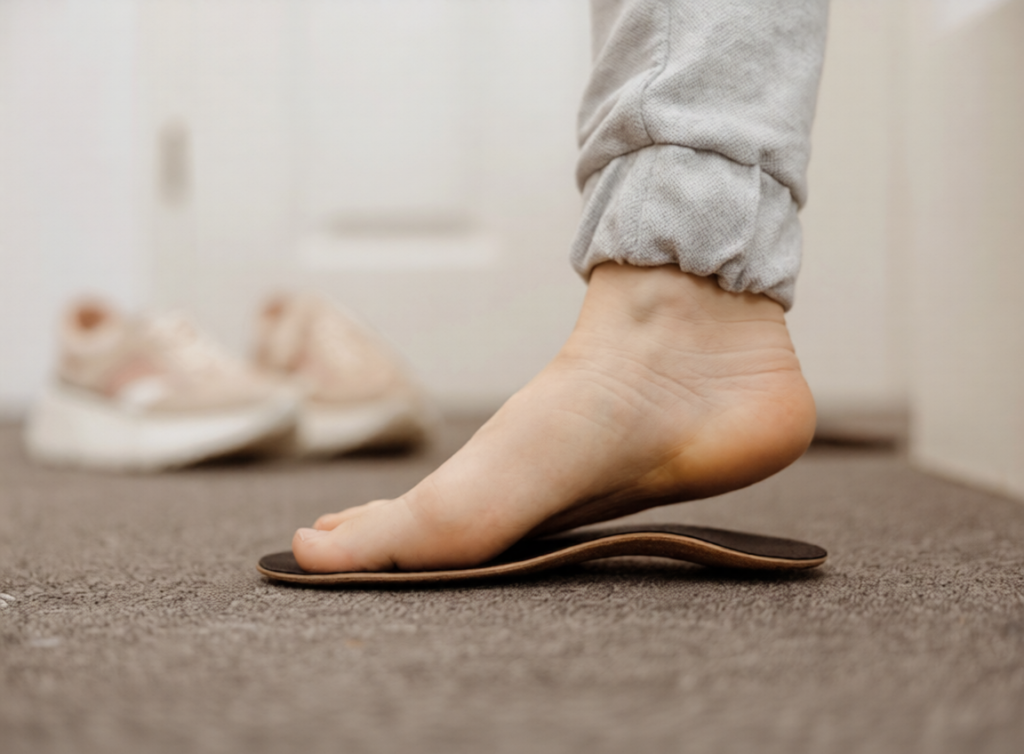
Plantar Fasciitis Home Treatment That Can Make a Difference
Many people experience improvement by following a consistent plantar fasciitis home treatment routine.
Helpful strategies include:
Stretch Your Calves and Plantar Fascia
Gentle stretching helps reduce tension in the tissues supporting your heel.
Try stretching before getting out of bed in the morning and again after exercise.
Apply Ice After Activity
Applying an ice pack to the heel for 15-20 minutes can reduce inflammation and ease discomfort after walking or standing.
Wear Supportive Footwear
Avoid walking barefoot on hard surfaces, even at home.
Shoes with good arch support and cushioning help reduce strain on the plantar fascia.
What Helps Plantar Fasciitis Quickly?
Many patients ask, what helps plantar fasciitis quickly?
While there is rarely an overnight solution, these steps often provide faster relief:
- Reduce activities that worsen the pain
- Stretch your calves several times a day
- Roll your foot over a frozen water bottle
- Wear supportive shoes from morning until bedtime
- Use over-the-counter orthotic inserts if recommended
The earlier you begin treatment, the better your chances of preventing chronic heel pain.
Plantar Fasciitis Self Care Tips for Everyday Relief
Good plantar fasciitis self care is about consistency rather than intensity.
Simple daily habits include:
- Stretch before walking
- Replace worn-out shoes
- Avoid prolonged standing whenever possible
- Maintain a healthy weight
- Warm up before exercise
These small adjustments can reduce stress on your feet and improve recovery over time.
Heel Pain Home Remedies: What Works and What Doesn't?
Many people search online for heel pain home remedies, but not every suggestion is backed by evidence.
Some remedies that may help include:
- Ice therapy
- Gentle stretching
- Supportive footwear
- Foot massage using a massage ball
- Temporary activity modification
However, relying solely on home remedies for months without improvement may allow the condition to worsen.
If your pain continues despite trying foot pain treatment at home, it’s time to seek professional advice.

When Foot Pain Treatment at Home Isn't Enough
While foot pain treatment at home can help many people, persistent pain may indicate a more serious issue.
You should schedule an evaluation if:
- Pain lasts longer than several weeks
- Walking becomes difficult
- Swelling increases
- Home treatments stop working
- Heel pain returns repeatedly
A podiatric evaluation can identify the exact cause and determine whether additional treatment is needed.
Professional Treatment Options
If conservative care isn’t providing enough plantar fasciitis pain relief, your foot and ankle specialist may recommend:
- Custom orthotics
- Physical therapy
- Night splints
- Anti-inflammatory treatments
- Advanced regenerative therapies (when appropriate)
- Minimally invasive procedures for persistent cases
Treatment is always based on your symptoms, lifestyle, and overall foot health.
Why Early Treatment Matters
Many people try to “push through” heel pain, hoping it will disappear on its own.
Unfortunately, delaying treatment often allows inflammation to worsen, making recovery longer and more challenging.
Seeking professional care early can help you recover more efficiently and reduce the risk of long-term problems.
Why Choose Foot & Ankle Surgeons of Kansas?
At Foot & Ankle Surgeons of Kansas, we provide personalised care for patients experiencing heel pain and other foot conditions.
Our team offers:
- Comprehensive foot evaluations
- Advanced diagnostic techniques
- Individualised treatment plans
- Conservative and surgical treatment options
- Compassionate care focused on long-term results
Whether your symptoms have just started or you’ve been dealing with heel pain for months, we’re here to help.

Frequently Asked Questions
The best approach combines stretching, supportive footwear, icing, activity modification, and professional evaluation if symptoms persist.
Yes. Many people improve with consistent plantar fasciitis home treatment, especially when started early.
Reducing stress on the foot, stretching regularly, icing the heel, and wearing supportive shoes often provide the quickest relief.
If heel pain lasts more than a few weeks or limits your daily activities despite plantar fasciitis self care, schedule an evaluation.
Living with heel pain doesn’t have to become your new normal. Understanding plantar fasciitis causes, following a consistent self-care routine, and seeking professional treatment when needed can make a significant difference in your recovery.
If you’ve tried foot pain treatment at home without lasting relief, the team at Foot & Ankle Surgeons of Kansas is ready to help you find the right solution and get back to walking comfortably.