When your child wakes up complaining of aching legs or foot pain at night, it is natural to wonder whether they are simply experiencing growing pains. In many cases, that may be true. However, not every ache is related to normal childhood development. Some symptoms can point to an injury, flat feet, heel pain, or another orthopedic concern. Understanding the difference between growing pains in children and actual foot problems can help you know when reassurance is enough and when your child should be evaluated.
What Are Growing Pains?
Growing pains in children, which usually occur in the muscles of the legs, later in the day and during sleep. Even though they are called rapidly growing bones, not all of them are actually caused when bones grow too quickly.
Common development pains are likely to:
- Affect both legs, rather than always on one side.
- Can be felt in calf or thigh muscles.
- Appear in the evening or during the night.
- Come and go, don’t steadily worsen.
- Resolve so that the child is comfortable and active.
- Occur without visible swelling, redness, or warmth.
- Don’t appear as a persistent limp or lameness.
Growing pains are very common and generally are not a cause for concern. But if there is pain in the legs or feet, parents should not always assume it is ‘growing pains’.
For instance, a child who occasionally awakens with a sore, aching feeling in both calves, but runs and plays normally during the day may have a pattern consistent with “growing pains”.A child who develops persistent heel pain while playing sports, starts limping, or has swelling in one foot has a different pattern that deserves evaluation.
What Are Actual Foot Problems in Children?
Child foot problem symptoms can vary depending on the underlying condition. Some problems are structural, while others can develop because of sports, repetitive activity, footwear, or an acute injury.
Examples of common childhood foot conditions are
Flat feet: Flexible flat feet are very common in children and rarely require treatment if it causes ongoing pain or other issues.
Sever’s disease: This may lead to heel pain in physically active growing children, especially when they are growing.
Sprains and strains: These may result from a twist, fall, collision, or sport-related activity.
Pediatric overuse injuries: Repetitive sporting activities may be a factor in problems with developing bones, muscles, tendons, and other tissues.
Structural foot differences: Changes in foot shape or foot alignment may sometimes cause pain, stiffness, or difficulty in walking.
Toe and nail problems: These include pressure on the foot from poorly fitting shoes, ingrown nails, and blisters, which can cause pain in the localized area of the foot.
The cause of your child’s pain cannot be determined from symptoms alone. A healthcare professional may consider your child’s age, activity level, medical history, symptoms, and physical examination when deciding whether further evaluation is needed. You can also read what patients have shared about their experiences with our practice before scheduling an appointment.
Concerned About Your Child’s Foot Pain? Schedule a Visit Today.
Growing Pains vs. Foot Problems: What's the Difference?
One of the biggest differences between typical growing pains and many actual foot problems is where, when, and how the pain occurs.
Growing pains are generally muscular and tend to occur in the evening or at night. They often occur in both legs, and in children there are normally no visible changes in the feet.
A pain in the foot or injury can result in more localized pain in a specific foot, heel, ankle, joint, or section of the foot. Pain can happen during walking, running, jumping, or sports. It can include swelling, redness, warmth, tenderness, and/or a change in the way the child walks.
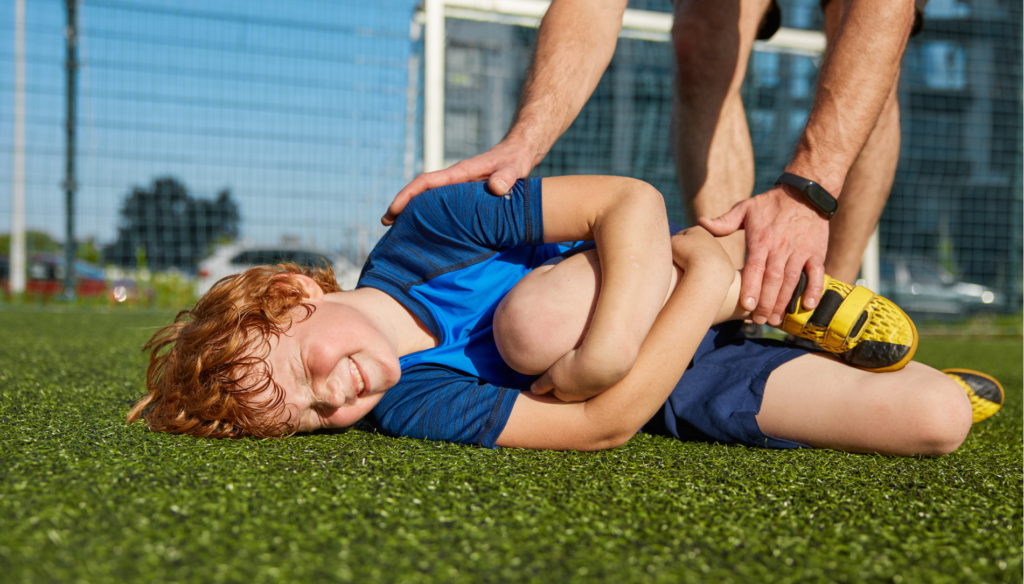
This distinction is particularly important when considering growing pains vs. injury. A child who has pain after a fall, twist, collision, or increase in sports activity may need to be evaluated rather than simply reassured that the discomfort is caused by growing.
Also watch for any changes in the severity or frequency of the pain, as parents. Sometimes the discomfort is a problem at night but not a problem that slowly affects school, sport, sleep, or day-to-day activities.
Signs Your Child's Pain May Not Be Growing Pains
Certain symptoms deserve more attention because they do not fit the usual pattern of growing pains.
Watch for:
- A pain in one leg or foot alone.
- Swelling, redness, or warmth
- Lameness or having problems walking
- Pain not only at night, but also during the day.
- A pain that does not go away or gets worse after a few weeks of time.
- Noticeable difference between the feet
- Pain that repeatedly occurs during sports or physical activity
- Pain after falling, twisting, or injury
A child limping suddenly should not automatically be assumed to have growing pains. A limp can result from something minor, such as a blister or irritated foot, but it can also be associated with an injury or another medical condition.
Prompt medical attention should be sought if a child is in severe pain, cannot stand or walk, has a large amount of swelling, or looks very ill.
When Growing Pains Are Nothing to Worry About
So are growing pains normal? In many children, recurring nighttime leg aches without other concerning symptoms can be a normal and temporary experience.
If your child’s symptoms closely resemble the usual pattern (he or she occasionally has painful, achy legs, especially at night, but is usually fine walking or doing other things during the day), home remedies might help.
Parents can try:
- Massage of the painful muscles to a relaxing effect.
- Taking a warm bath before bedtime.
- Stretching as appropriate, if indicated
- Taking time to rest on more active days.
- Keeping track of when the pain occurs
- Observing if some activities seem to be causing discomfort.
For normal children experiencing growing pains, warmth and massage can be soothing.
However, parents should avoid using “growing pains” as a catch-all explanation whenever a child reports pain. If the symptoms change or become persistent, it is reasonable to seek professional advice.
When to See a Pediatric Foot Specialist
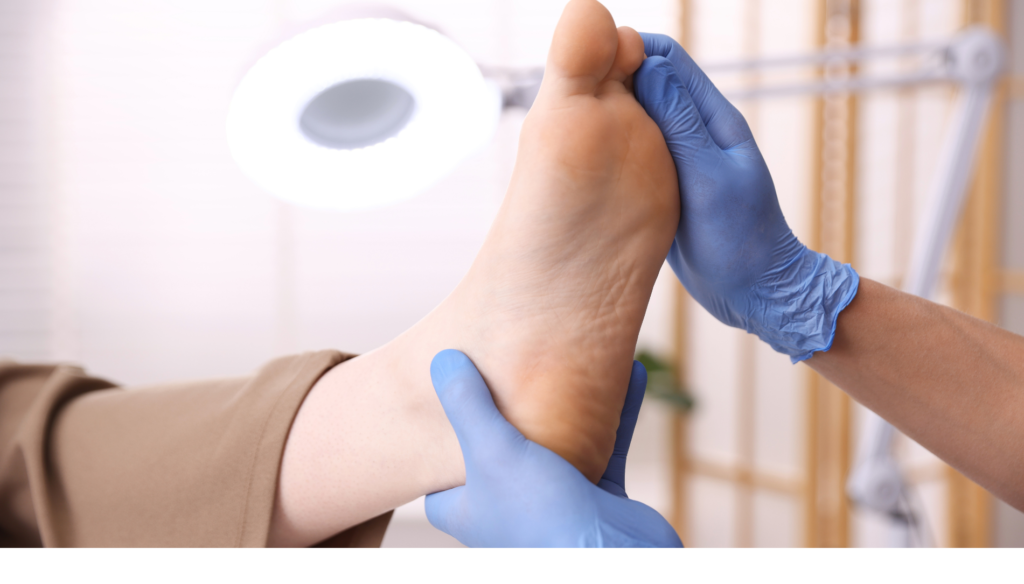
Knowing when to see a foot specialist can help parents not to over-worry or miss the chance to assess the real problem.
If your child has any of the following, you may want to consider an evaluation
- Persistent pain that persists for more than a few weeks.
- Pain to one side or at one joint
- Ankle, foot, arch, and heel pain that lasts a long time
- Swelling/facial changes of the foot
- If the limping gets worse.
- Persistent complaints of pain in sports or physical exercise.
- An obvious difference in the way the person walks
- Limited ability to engage in normal activities.
- A history of large bone or foot problems in the family.
See our patient reviews and testimonials to learn more about experiences with our foot and ankle team.
When the cause of pain is not clear, a pediatrician may be a great choice to turn to. Based on symptoms and exam, your child may be referred to a pediatric orthopedic, foot and ankle, or sports medicine specialist.
How Foot Problems in Children Are Diagnosed
Your doctor will typically start a foot exam for your child with a discussion of their symptoms and medical history.
The clinician may ask:
- When did the pain start?
- Does it involve one or both feet?
- Does it occur during activity, after, or at rest?
- Is running or jumping problematic?
- Have there been any injuries recently?
- Is your child’s gait altered?
- Any swelling, redness, or tenderness?
- Does anyone in the family have similar foot or orthopedic problems?
A physical exam may involve an examination of the child’s feet when standing and walking. The clinician can evaluate foot alignment, flexibility, strength, range of motion, balance, and leg and foot motion when walking.
A gait assessment may be useful when a child has developed a limp, or if they have ongoing discomfort with activity.
Imaging is not automatically necessary for every child with foot pain. If the examination suggests an injury, structural issue, or another condition requiring further investigation, the healthcare professional may recommend an X-ray or another appropriate imaging study.
The evaluation is fairly simple and non-invasive for most simple concerns.
Treatment Options for Common Childhood Foot Issues
Treatment depends on the cause of the pain. Many childhood foot conditions can initially be managed with conservative approaches.

Orthotics and Shoe Inserts
Some kids with painful flat feet or other foot mechanics issues might be advised to wear arch supports or custom foot orthotics. Children may or may not require an orthotic based upon their symptoms and examination.
Footwear Changes
Appropriate shoe wear helps to alleviate pressure and irritation. Children involved in sporting activity may also require physical activity-specific footwear which allows for normal foot movement and has sufficient support.
Stretching and Physical Therapy
For some muscle or tendon tightness, it may be recommended to stretch. Some children can also benefit from physical therapy to enhance strength, flexibility, balance, and movement patterns.
Activity Modification
If the pain is due to a sport or repetitive activity, then temporarily reducing activities that produce this pain may provide sufficient rest for irritated tissues.
This is especially important regarding overuse injuries in kids. Children should not be encouraged to repeatedly train through persistent pain. A health care professional will be able to help establish when an individual can return to activity.
If necessary, give extra treatment.
Sometimes, more testing may be needed if symptoms persist even with conservative care. The appropriate treatment depends on the diagnosis.
Surgery is not needed for all foot issues in children. Observation, activity modification, appropriate footwear, therapy, or other non-surgical treatments can all be effective in treating many conditions.
How Foot & Ankle Surgeons of Kansas Can Help
Not every ache or pain in a growing child is caused by growing pains. When pain is persistent, one-sided, activity-related, or affecting the way your child walks, an evaluation can help identify what may be causing it.
Our specialists may evaluate your child’s:
- Symptoms and medical history
- Foot and ankle alignment
- Range of motion and flexibility
- Strength and balance
- Walking and gait patterns
- Areas of pain, tenderness, or swelling
- Recent injuries or sports-related activity
- Digital imaging when an injury or structural concern requires further evaluation
Depending on the cause of your child’s foot or ankle pain, treatment may include:
- Activity modification
- Supportive or activity-specific footwear
- Custom orthotics when appropriate
- Stretching and physical therapy
- Strength, balance, and movement exercises
- Additional testing when symptoms persist or require further evaluation
Our goal is to understand the cause of your child’s pain and provide appropriate care while supporting their ability to stay active and move comfortably.
Frequently Asked Questions
Don't focus on a single symptom, but instead see the whole picture. If the aching is only occasional, at night, and not at the time of day when the child gets up and runs, then it may be growing pains.
Severe, persistent, one-sided pain, with swelling, fever, redness, warmth, and/or a limp is more worrisome. If your child cannot stand or walk, or if he is in severe pain or looking very unwell, try to get him to see a doctor as quickly as possible.
Commonly, growing pains are described as aches in the muscle of the leg, most often in the calves or thighs.
Localized pain in the foot or heel, especially when it occurs with walking, running, swelling, tenderness, or daytime activity, should not automatically be attributed to growing pains.
If it's not clear or if your child has other symptoms, you may want to consult with a pediatrician first. If your child has persistent localized foot pain, a walking problem, a structural concern, or a sports-related injury, a specialist such as a pediatric foot, ankle, orthopedic, or sports medicine specialist may be particularly helpful.
Yes, painful flat feet can cause discomfort or fatigue in the feet, ankles, or legs.
But many children do have flexible flat feet and are not at all in pain or limited. Treatment is not always necessary in cases of flat feet.
If your child has flat feet and is suffering from persistent pain, having trouble participating in activities, or changing his/her walk, it is recommended to assess their feet.
Yes. Repetitive activity can contribute to pediatric overuse injuries, particularly in children who participate in sports frequently.
Pain that repeatedly appears during or after activity, worsens with continued training, or affects your child's performance should not simply be dismissed as growing pains.
Conclusion
Most nighttime leg aches in children are harmless, but parents should look at the complete pattern rather than assuming every ache is a growing pain. Child foot pain at night that is occasional and affects both legs may fit usual growing pains. Persistent, one-sided, daytime, activity-related, or swollen foot pain deserves a professional evaluation. If you are unsure when to see a foot specialist, you can explore patient experiences with Kansas Foot & Ankle and learn what others have shared about their care. Explore patient experiences
Still Have Questions About Your Child’s Foot Pain? Schedule a Consultation Today.
Medical note: This article is intended for general education and is not a diagnosis or substitute for professional medical advice. Seek appropriate medical care when a child’s pain is severe, persistent, worsening, or affecting walking or normal activities.